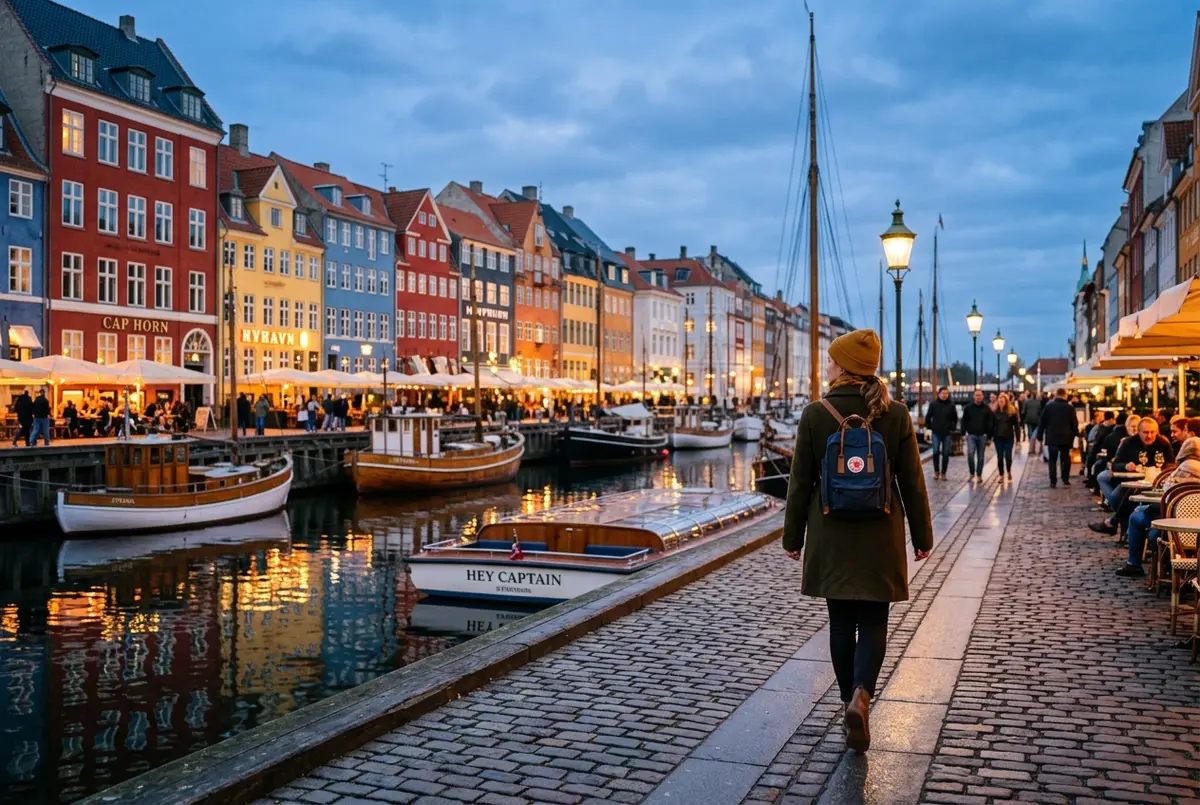
Is Copenhagen safe? Yes, genuinely one of the safer capital cities in Europe, with low rates of violent crime, well-lit streets, and a culture where locals walk, cycle, and take public transport late into the night without much thought. I would spend far less energy worrying about crime here than most first-time visitors do, and far more energy learning the one real hazard that catches people off guard: the bike lanes.
How Does Copenhagen Compare to Other European Capitals for Safety?
Very well. Copenhagen consistently ranks near the top of global safety indexes, alongside cities like Zurich and Tokyo rather than down with the capitals that carry real pickpocketing or violent crime reputations. I would rank Copenhagen above London, Paris, and Rome on almost any practical safety measure a traveler cares about, from walking alone at night to the odds of a bag snatch on a crowded street.
Is Copenhagen Safe to Walk Around at Night?
Yes, and not in a cautious, technically-true way. Streets in the city center, around Nyhavn, and through most residential neighborhoods stay well lit and reasonably populated well past midnight. I would walk back to a hotel alone at 1am in Copenhagen without the unease I would feel doing the same in a lot of other major cities, the combination of good lighting, low crime, and a steady trickle of other pedestrians makes it one of the more relaxed capitals after dark.
What Is the Actual Biggest Safety Risk in Copenhagen?
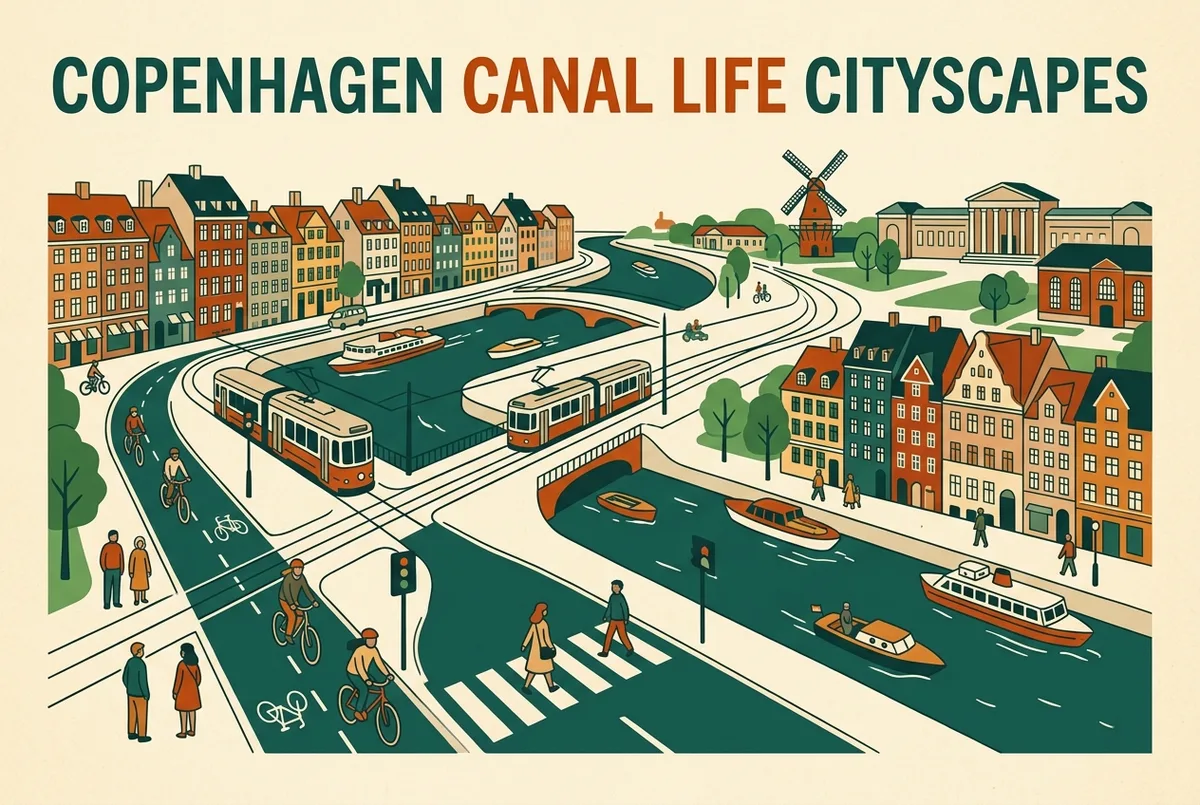
Bicycles, not crime. Copenhagen has more bikes than cars in daily use, and the dedicated bike lanes running alongside most sidewalks move fast and quiet enough to genuinely catch a distracted tourist off guard. I would treat every painted bike lane like a small road, not an extension of the sidewalk, look both ways before stepping across one, and never stop to check a map while standing in the lane itself, that is where most visitor injuries in this city actually happen.
How Should You Behave Around Copenhagen’s Bike Lanes?
Stay out of them unless you are cycling. The lanes are usually a distinct strip between the sidewalk and the road, sometimes marked with paint, sometimes with a curb. I would always look left, then right, before crossing one, the same way you would check for cars, since a cyclist moving at 20 km/h has very little time to react to someone stepping out unannounced. Locals cycle fast and expect the lane to stay clear.
Is Copenhagen Safe for Solo Female Travelers?
Yes, and it is regularly ranked as one of the more comfortable cities in Europe for solo women specifically, thanks to low crime, good public transport, and a culture where walking or cycling alone at night is completely normal for locals of any gender. I would feel comfortable taking a solo evening stroll along the harbor here in a way I would not in a lot of other capitals, though the same general common sense that applies anywhere, staying aware and sticking to lit, populated streets late at night, still applies.
Is Public Transport Safe Late at Night in Copenhagen?
Yes. The metro runs 24 hours on weekends and trains and buses are well used and monitored throughout normal operating hours. I would take the metro back from a late dinner or an evening event without a second thought, it is clean, well lit, and rarely feels empty even at odd hours. My Copenhagen public transport guide covers the full system if you want to plan routes before you land.
What If You Would Rather Not Walk Back Alone at Night?
Take a taxi. Copenhagen’s taxis are metered, regulated, and easy to flag or book through an app, and the cost of a short ride is a small price for peace of mind after a long night out. I would default to a taxi over a late walk any time the route is unfamiliar or poorly lit, it removes the one variable, getting lost or misjudging a neighborhood, that causes most travel anxiety, safety concerns aside. My Copenhagen taxi and Uber guide covers pricing and how to book one.
Are There Any Neighborhoods to Avoid in Copenhagen?
Not in the way that phrase usually implies. Copenhagen does not really have a no-go district for tourists the way some capitals do. A handful of areas, parts of Norrebro and Nordvest late at night, see slightly more petty crime than the postcard center, but nothing that should keep a visitor away in daylight. I would not plan a trip around avoiding any specific neighborhood, ordinary street awareness covers essentially all of the risk that exists.
Do You Need to Worry About Pickpocketing in Copenhagen?
Less than in most major European tourist cities, but not zero. Crowded spots like Stroget, the main pedestrian shopping street, and busy transit stations see the occasional opportunistic theft, mostly targeting unattended bags or back pockets. I would still keep a bag zipped and in front of me in a dense crowd, the same basic habit that serves you well anywhere, even though Copenhagen’s actual pickpocketing rate runs well below cities like Barcelona or Rome.
Is Tap Water Safe to Drink in Copenhagen?
Yes, completely. Copenhagen’s tap water is among the cleanest in Europe, drawn from groundwater rather than treated river water, and locals drink it straight from the tap without a second thought. I would skip buying bottled water entirely here, refilling a bottle from any tap saves money and avoids unnecessary plastic waste on a trip where neither is worth the tradeoff.
Is Copenhagen Safe for Families Traveling with Kids?
Yes, and it is one of the more family-friendly capitals in Europe for exactly the same reasons it feels safe generally, low crime, wide pedestrian zones, and a strong culture of public space that families actually use. I would let kids walk a step or two ahead in most central areas without much worry, though the bike lane rule applies double for children, who are far more likely to wander into one without looking.
What Should First-Time Visitors Actually Prepare For?
Weather and bikes, honestly, more than crime. Copenhagen’s real day-to-day travel friction comes from unpredictable weather and the learning curve of sharing sidewalks with fast-moving cyclists, not from any meaningful safety threat. I would spend prep time checking the forecast and learning the bike lane rule rather than worrying about which areas to avoid, that reflects where the actual friction lies for most visitors.
How Does Copenhagen’s Safety Affect Planning a Full Day Out?
It frees you up, honestly. Because the city is genuinely safe to walk and navigate, you can build a loose, flexible day rather than a tightly scheduled one built around avoiding certain areas or times. I would build a day that mixes a canal tour, some walking between landmarks, and a late dinner without worrying about the after-dark stretch home, my perfect day in Copenhagen itinerary lays out exactly that kind of route if you want a ready-made plan.
Should Safety Concerns Affect Your Evening Plans in Copenhagen?
Not really. A relaxed harbor-front dinner or a night out afterward does not carry the same risk calculus here that it might elsewhere. I would plan an evening in Copenhagen the same way I would plan a daytime one, picking based on what sounds good rather than filtering options through safety concerns first. My where to eat near Nyhavn guide and Copenhagen nightlife guide both cover evening plans without needing a safety-first lens layered on top.
Is Copenhagen Safe to Visit Right Now?
Yes, Copenhagen’s safety profile has stayed consistently strong for years, it is not a city with a recent safety decline or an active travel advisory affecting general tourism. I would check my home country’s standard travel advisory before any trip as routine practice, not because Copenhagen specifically raises a flag, but because it is good habit for any international trip regardless of destination.
My Verdict: How Worried Should You Actually Be?
Barely at all. I would rank personal safety near the bottom of the list of things to plan around for a Copenhagen trip, well below weather, budget, or which neighborhoods to base yourself in. The one habit actually worth building before you land is looking both ways before crossing a bike lane, everything else about staying safe here comes down to the same ordinary awareness that serves travelers well anywhere in the world.
Frequently Asked Questions
Is Copenhagen safe for tourists?
Yes, it consistently ranks among the safest capital cities in Europe, with low violent crime and well-lit streets throughout the center.
Is Copenhagen safe to walk at night?
Yes, the city center and most residential areas stay lit and reasonably populated well past midnight, making solo late walks a relaxed option compared to many other capitals.
What is the biggest safety risk in Copenhagen?
Bike lanes, not crime. Fast-moving cyclists share space with pedestrians throughout the city, and stepping into a lane without looking is the most common way visitors get hurt.
Is Copenhagen safe for solo female travelers?
Yes, it is regularly ranked among the more comfortable cities in Europe for solo women, thanks to low crime and a strong culture of walking and cycling alone at any hour.
Do you need to avoid any areas of Copenhagen?
No specific no-go zones exist for tourists. A few outer neighborhoods see slightly more petty crime late at night, but ordinary street awareness covers the risk.
According to the official Visit Copenhagen tourism board, the city is built around walking and cycling as the default way to get around, which is a large part of why it feels so safe after dark. Once the safety question is settled, the more useful one is how to actually spend the day, and a copenhagen boat tour is as low-risk and easy a start as any. Check current departure times on the homepage and work one into your first day.