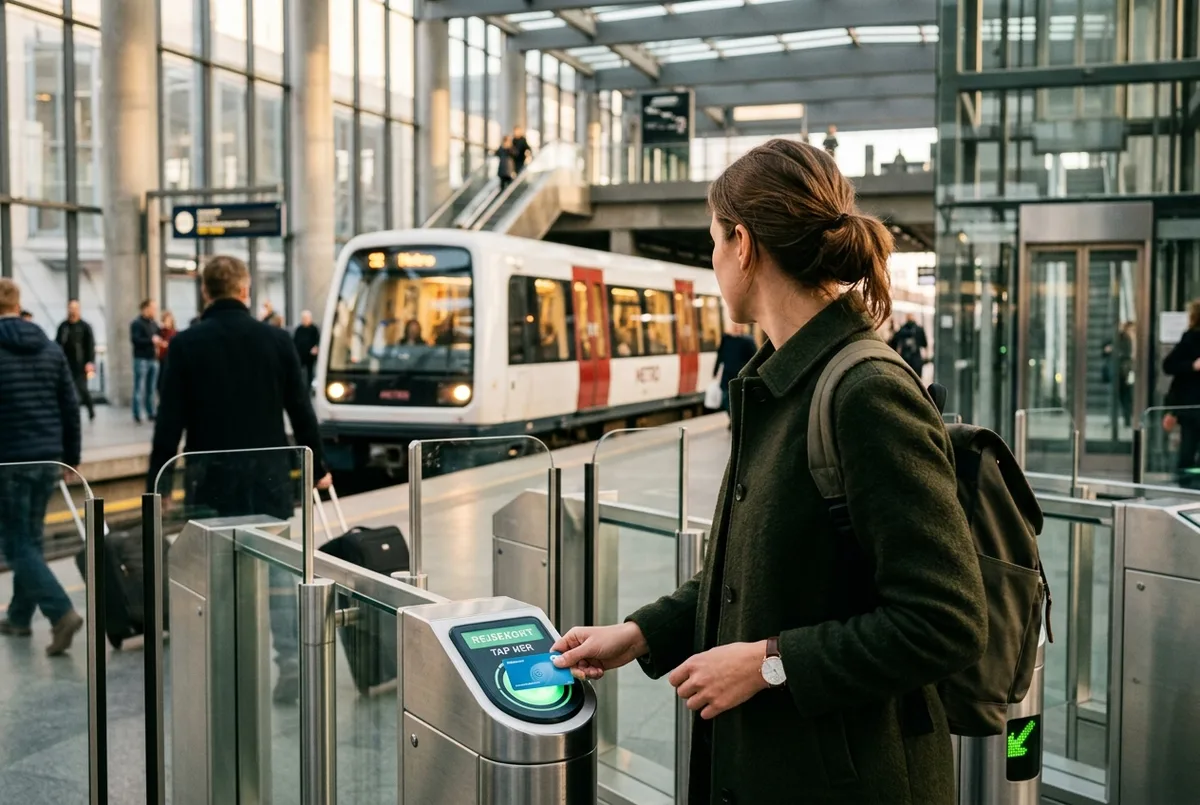
Copenhagen public transport covers metro, bus, S-train and harbor bus under one zone based ticketing system called DOT, which means a single ticket or pass moves you across every mode without buying separate tickets for the train and then the bus. I have looked closely at how the zones, tickets and passes actually fit together, and my honest read is that most visitors overcomplicate a system that is genuinely simple once you understand the zone logic behind it.
What Is the Best Way to Get Around Copenhagen?
For most visitors, a mix of walking, the Metro and a Rejsekort or City Pass covers nearly everything a normal trip needs. I would default to the Metro for anything more than fifteen minutes on foot, it runs frequently, covers the airport and city center directly, and avoids the unpredictability that above ground traffic sometimes adds to a bus journey.
How Does Copenhagen’s Public Transport System Work?
Copenhagen’s public transit runs on DOT, a unified system where metro, bus, S-train and harbor bus all share the same zone based ticket rather than requiring separate fares per mode. I would learn the zone map before anything else, once you understand which zones your hotel and main sights sit in, every other ticketing decision on this page becomes far easier to make.
What Are Copenhagen’s Transport Zones?
The city is divided into concentric zones radiating out from the center, and your fare depends on how many zones your journey crosses rather than which specific mode you take. I would check your zone count once at the start of the trip and stick with it, most attractions tourists actually visit sit inside two or three central zones, which keeps day to day fares low and predictable.
Should You Buy Single Tickets or a Pass?
Single tickets make sense only for a very short visit with just one or two journeys planned. I would switch to a pass the moment I know I am taking three or more rides in a day, the math tips in favor of a day pass fast, and not having to buy a fresh ticket every time you board something is worth the small extra cost on its own.
What Is Rejsekort and Is It Worth Getting?
Rejsekort is Copenhagen’s rechargeable travel card, similar to a tap in tap out system used in many European cities, where you check in and out at readers and the fare calculates automatically based on distance traveled. I would get one for any trip longer than two or three days, it consistently works out cheaper than single tickets and removes the need to think about zones on every single journey.
How Does the Copenhagen Metro Work?
The Metro runs several lines connecting the airport, city center and surrounding districts, operating with high frequency and, notably, around the clock on weekends. I would rely on the Metro over buses whenever a line runs close to where you are headed, the underground routing sidesteps surface traffic entirely, which matters more during rush hour than most visitors expect.
How Much Do Copenhagen Metro Tickets Cost?
Metro fares follow the same zone based pricing as the rest of DOT, with a short city center hop costing noticeably less than a longer cross zone trip like an airport run. I would check the current fare table before relying on a number from memory, my full metro tickets and prices guide breaks down single tickets, zone passes and Rejsekort pricing side by side.
Are Buses Useful in Copenhagen?
Yes, particularly for reaching neighborhoods the Metro does not cover directly, and the copenhagen city bus network is dense enough that most addresses sit within a short walk of a stop. I would use buses as a supplement to the Metro rather than a primary option, they cover more ground geographically but move slower through city traffic than the underground lines do.
What Is the S-train and When Would You Use It?
The S-train is Copenhagen’s suburban rail network, useful mainly for trips beyond the city center toward the outer districts and some day trip destinations. I would only bother with the S-train if your plans genuinely take you outside the central zones, for a standard sightseeing trip focused on the harbor, palaces and museums, the Metro and buses alone cover nearly everything.
Is There a Harbor Bus in Copenhagen?
Yes, a scheduled harbor bus service runs along the water as a genuine transit option, stopping at several points along the canal system as part of the same DOT ticketing. I would not confuse the harbor bus with a sightseeing boat tour, it is a functional commuter route with minimal narration, while a proper copenhagen boat tour is built specifically around the landmarks, history and pace a visitor actually wants.

How Do You Get From the Airport to the City Centre?
The Metro’s M2 line runs directly from Copenhagen Airport into the city center in well under twenty minutes, making it the fastest and usually cheapest option for most arrivals. I would take the Metro over a taxi on arrival unless you are traveling with a lot of luggage or arrive very late at night, my full airport transfer guide compares every option including train and taxi in more depth.
Should You Take a Taxi or Uber in Copenhagen?
Taxis and Uber both operate legally in the city, and they make sense for late night trips, heavy luggage or a direct door to door journey when transit connections would otherwise mean multiple transfers. I would reserve taxis for exactly those situations rather than defaulting to them, Copenhagen’s transit system is fast and reliable enough that a taxi rarely saves meaningful time on a typical daytime trip, my taxi and Uber guide covers pricing and apps in detail.
Is the Copenhagen Card Worth It for Transport?
It depends entirely on how many paid attractions you are also planning to visit, since the copenhagen public transport card included with the pass only pulls its weight once you add several museum or attraction entries on top of it. I would only buy it if your itinerary already includes multiple paid sights, my Copenhagen Card guide runs the actual break even math so you are not guessing.
Is Copenhagen Public Transport Safe and Easy for Tourists?
Yes, genuinely one of the easier systems in Europe for a first time visitor to figure out, with clear signage, frequent service and a zone map that makes sense once you have looked at it once. I would not overthink this system before arriving, most visitors pick up the zone logic within their first two or three journeys, and the DOT app makes checking routes and fares straightforward from a phone.
Should You Rent a Bike Instead of Using Public Transport?
Copenhagen is genuinely one of the best cycling cities in the world, and renting a bike is a real alternative to transit for confident riders comfortable navigating city bike lanes. I would still keep a Rejsekort as a backup even if you plan to cycle most days, weather and tired legs both have a way of changing plans by the afternoon, and having transit ready to go avoids stranding yourself across town.
Does a Canal Tour Count as Public Transport?
No, not in the DOT sense, though it solves a similar problem in a very different way. A copenhagen canal cruise is a scheduled, narrated route built for sightseeing rather than commuting, covering many of the same waterfront landmarks a harbor bus passes without stopping to explain any of them. I would treat the canal tour as the scenic complement to your transit pass, not a substitute for it, use the Metro and bus network to get around efficiently, then set aside a dedicated hour for the boat itself.
What Mistakes Do Tourists Make With Copenhagen Transport?
The most common one I see is buying single tickets for an entire multi day trip instead of switching to a pass or Rejsekort after the second or third journey. A close second is assuming every mode needs a separate ticket, when the whole point of the DOT system is that one ticket or card covers metro, bus and train together. I would sort out a Rejsekort or pass on day one, rather than treating transport as an afterthought you figure out journey by journey.
Is Copenhagen Transport Expensive Compared to Other European Cities?
Copenhagen sits roughly in the middle compared to other major European capitals, cheaper than several Nordic neighbors but higher than some southern European systems. I would not let sticker shock on a single fare put you off a pass, the per journey cost drops noticeably once you are riding several times a day, which is exactly how most sightseeing trips actually use transit.
Frequently Asked Questions
What is the best way to get around Copenhagen?
A mix of walking, the Metro and a Rejsekort or City Pass covers nearly everything most visitors need across a standard multi day trip.
Do metro, bus and train use the same ticket in Copenhagen?
Yes, the DOT system unifies metro, bus, S-train and harbor bus under one zone based fare, so a single ticket or pass works across all of them.
Is Rejsekort worth it for a short trip?
For trips longer than two or three days with several rides a day, yes, it generally works out cheaper than buying single tickets each time.
How do you get from Copenhagen Airport to the city center?
The Metro’s M2 line runs directly into the center in under twenty minutes, making it the fastest option for most arriving travelers.
Is a canal tour part of Copenhagen’s public transport system?
No, a canal tour is a separate sightseeing product, though a functional harbor bus covering similar water routes does run on the same transit ticket.
According to Wikipedia, the Copenhagen Metro has operated around the clock since opening, a detail that surprises a lot of first time visitors used to systems that shut down overnight. Once transit gets you to the harbor, the water itself is worth its own dedicated stop. Compare current canal tour copenhagen departures on the homepage and set aside time for the boat separately from however you get around the rest of the city.